One thing that is certain in life is uncertainty. You never know when things are going to change. And often, those unexpected changes cost money. When an unexpected expense comes up, if you don’t have money saved, it can be impossible to cover it without going into debt. In fact, a recent study by SecureSave found that 63% of Americans can’t cover a $500 unexpected expense. This statistic and the nature of life are two reasons that I think having an emergency fund should be at the core of every financial plan. If you don’t have an emergency fund, that’s ok. It’s never too late to get started and build for a better tomorrow. To get you started, let’s look at some emergency fund basics. Grab your coffee and we’ll chat about what an emergency fund is, how much you should save, where you should save it, and what to do if you need to use it.
What is an Emergency Fund?
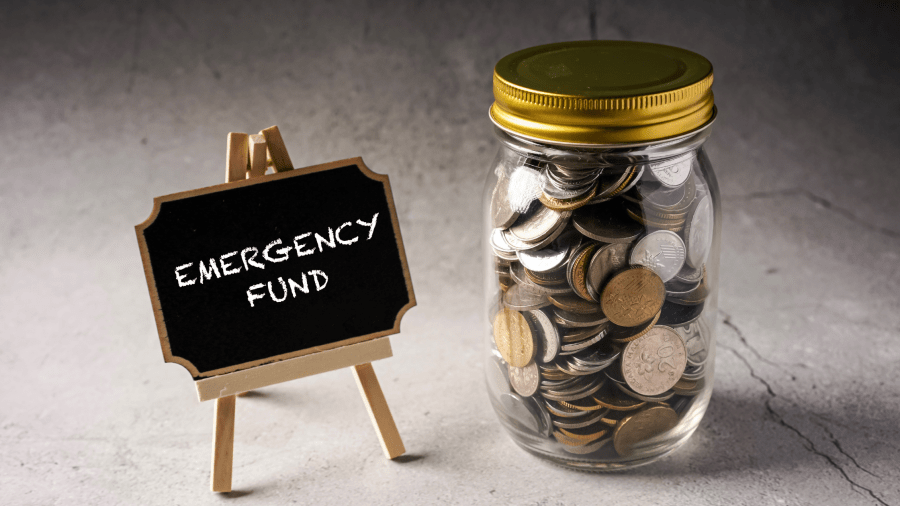
It’s important to understand exactly what an emergency fund is as you set out to build or grow it. While it is savings, you don’t want to treat it like your regular savings account. An emergency fund is a financial safety net that you build to help insulate yourself from potential emergencies. Unlike a regular savings account, you only want to use your emergency fund in the event of an emergency. Having this money set aside will give you peace of mind. It can also keep you from going into debt or lessen the amount of debt you take on when an emergency happens.
Now that you know what an emergency fund is, it’s also important to know what constitutes an emergency. Financially speaking, an emergency is an unforeseen event that requires immediate attention and money to fix. Things like an unexpected car repair, a medical bill, a vet bill, or paying your regular bills after a job loss are all emergencies. On the other hand, Christmas shopping, a Valentine’s date, or concert tickets are not emergencies. The goal with creating an emergency fund is to use it for true emergencies and other than that, leave it alone.
How Much Do You Need to Save?
One of the emergency fund basics that gets a lot of attention is how much you should save in your emergency fund. And it’s true, you do want to have enough money squirreled away to make a difference when things happen. But if you aim for too much right out of the gate it can feel overwhelming and impossible. This can keep you from saving. So, I like to break emergency fund savings into a few milestones.
First, you want to save enough to cover that $500 emergency that we talked about earlier. While $500 may not seem like much, it’s $500 that you won’t have to put on a credit card or borrow to cover life’s unexpected expenses. When you are just starting to build up your savings, you may not be able to fully cover some emergencies. That’s ok! You’ll lessen the blow by having money set aside. And over time as your emergency fund grows, you’ll be better able to cover larger emergencies.
Once you have $500 saved for emergencies, it’s important to keep growing your emergency fund. The next milestone to aim for is $1,000. With a $1,000 emergency fund you’ll be even more prepared for the things life throws your way. And you’ll find that the more you save, the less emergent some emergencies feel because you know they’re covered. After you’ve saved $1,000 work to save one month of your take-home pay.
Finally, you’ll want to grow your emergency fund to between three and six months of your take-home pay. Some recommend three to six months of necessary spending. But I recommend you use take-home pay as your marker instead. Yes, this will require you to save more. But it also gives you more security. If you lose your job or are suddenly unable to work, you’ll have a buffer of a few months to work to find a new job and get back on your feet. And in that time, you won’t have to worry about cutting expenses or making drastic changes to your life. In a time when you’re already stressed, this can be helpful. If you want to or need to stretch the money farther, you can start looking at ways to cut your spending. If instead you only save three to six months of necessary expenses, you’ll have to make cuts right away.
Where Should You Save it?
Now that you’re ready to build your emergency fund and be prepared for all of life’s what if’s, the next thing you’ll need to decide is where to save the money. You want to save it somewhere you can access when you need it. You’ll also want to keep the money liquid, or easily accessible without having to sell anything to get it. For some people, having an emergency fund in a savings account at their regular bank works well. But I’ve found for myself and most of my clients over the years that having your emergency fund in an account at a different bank can be helpful. The funds are still easily accessible, but they are more out of sight out of mind. This helps protect the money from being spent in a non-emergency situation.
If you want to open a savings account at a different bank for your emergency fund, it can be helpful to look into high yield savings accounts (HYSA). A HYSA is a savings account that earns a higher interest rate than a regular savings account. This is great because it means that your money works harder for you. There are lots of HYSA options so if you’re ready to open one, be sure to shop around and find the account that is best for you. Compare interest rates, minimum required deposits, and other account features as you make your decision. And as always, be sure to understand the requirements and limitations of any account you choose to open.
What to do if You Need to Use it?
So, the good news is, you’ve managed to save an emergency fund. The bad news is, something happens, and you need to use it. Don’t panic. Take a deep breath and use your emergency fund. Afterall, that’s why you’ve saved it. Sometimes, once people build up an emergency fund there is a hesitation to using the money if an emergency arises. This could be because you remember how much work it took to save the money and you don’t want to have to do it again. Or it could be because you’re fearful that if you use the money, you won’t be prepared for the next thing life throws your way. These are understandable concerns. But, at the end of the day, you save the money for when you need it. It’s better to use your emergency fund than to go into debt. Once the emergency has passed, you can make a plan to put the money you used back into savings so that you are ready for the next time something comes up. The last piece is key and is one of the more important emergency fund basics. When you use your emergency fund you want to replenish it. This makes sure the money is there for the future.
Wrap Up
Understanding these emergency fund basics can go a long way towards helping you establish a good financial foundation. A healthy emergency fund can keep you out of debt and help reduce your stress when things go wrong. Saving for an emergency might not be fun or sexy. But it’s something you will be grateful for. Remember that you don’t have to build it up overnight. You can start small and build it in increments, aim for $500 first. Then keep growing until you have between three and six months of take-home pay saved. Keep your emergency fund separate from your other savings and be sure you’re using it for emergencies. Having this money doesn’t make the hard parts of life instantly easier, but it does help you face them better prepared. And I count that as a win.

 The Sensible Penny
Pingback: Sinking Funds vs. Emergency Funds – The Sensible Penny